Symptoms of a Broken Ankle

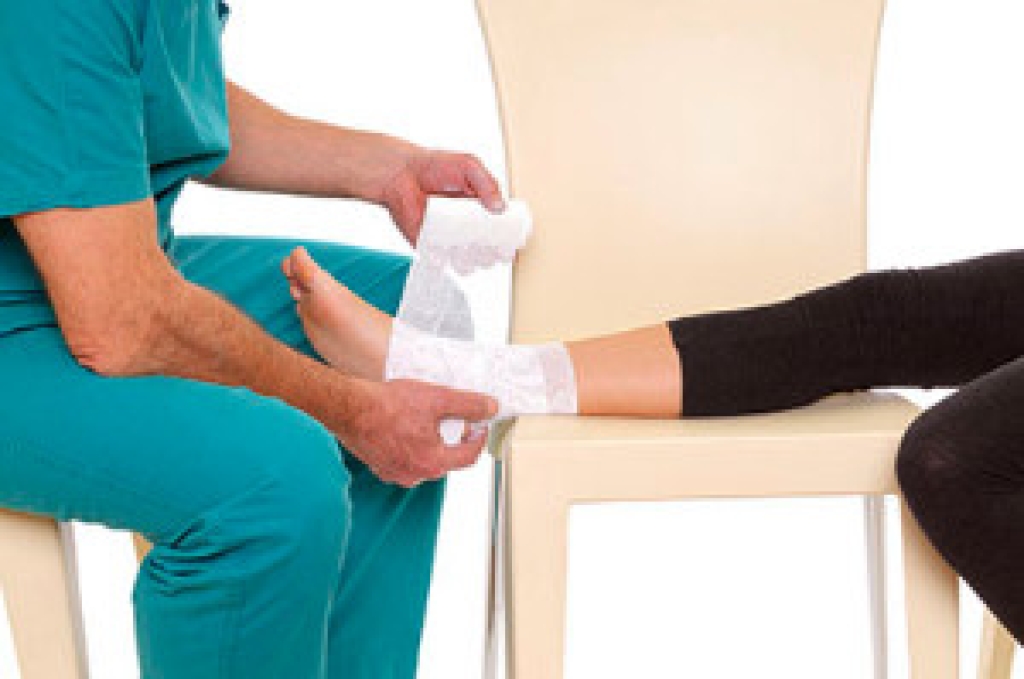
If you have fallen and have severe pain in your ankle, it may be broken. A noticeable symptom of this condition is extreme discomfort and an obvious deformity in the ankle and surrounding area. Walking will be unbearable as a result of the intense pain and swelling, and bruising may occur as the injury causes the blood to leak from the vessels. Many patients who have endured a broken ankle may be familiar with the painful feeling of crepitus, which is the name given to pieces of bone grinding together as a result of the broken ankle. After a proper diagnosis is performed, which will typically include having an X-ray taken. Once confirmation of a broken ankle is achieved, treatment can begin. This may include putting the ankle into a splint, cast, or walking boot. If you or someone you know has a broken ankle, it is suggested to speak with a podiatrist who can properly guide you to the best form of treatment.

Broken ankles need immediate treatment. If you are seeking treatment, contact Dr. Dean D. Hinners from Illinois. Our doctor can provide the care you need to keep you pain-free and on your feet. 

Broken Ankles
A broken ankle is experienced when a person fractures their tibia or fibula in the lower leg and ankle area. Both of these bones are attached at the bottom of the leg and combine to form what we know to be our ankle.

When a physician is referring to a break of the ankle, he or she is usually referring to a break in the area where the tibia and fibula are joined to create our ankle joint. Ankles are more prone to fractures because the ankle is an area that suffers a lot of pressure and stress. There are some obvious signs when a person experiences a fractured ankle, and the following symptoms may be present.

Symptoms of a Fractured Ankle

  • Excessive pain when the area is touched or when any pressure is placed on the ankle
  • Swelling around the area
  • Bruising of the area
  • Area appears to be deformed

If you suspect an ankle fracture, it is recommended to seek treatment as soon as possible. The sooner you have your podiatrist diagnose the fracture, the quicker you’ll be on the way towards recovery.

If you have any questions, please feel free to contact one of our offices located in Metropolis and Eldorado, IL . We offer the newest diagnostic and treatment technologies for all your foot care needs.
Read more about All About Broken Ankles

Several Ways to Treat a Broken Ankle

If you have fallen unexpectedly or stepped abruptly off a curb, you may have had the displeasure of experiencing an ankle sprain. It is typically the result of the ankle suddenly twisting or rolling, which may move the ankle out of alignment. There are several ligaments that surround the ankle and may tear if an ankle sprain occurs. There are several symptoms that may be associated with this condition, including noticeable swelling, bruising, and difficulty in bearing weight on the ankle. It’s important to have a proper diagnosis performed, which most likely may include having an X-ray taken. An MRI may be prescribed if the ankle sprain appears to be of a serious nature, or if damage has occurred to the surface of the ankle joint. There are many ways to treat a broken ankle, and this may depend on the severity of the injury. If you feel you have sprained your ankle, it is advised to consult with a podiatrist as quickly as possible who can determine the best course of treatment for you.

Although ankle sprains are common, they aren’t always minor injuries. If you need your ankle injury looked at, contact Dr. Dean D. Hinners from Illinois. Our doctor can provide the care you need to keep you pain-free and on your feet.

How Does an Ankle Sprain Occur?

Ankle sprains are the result of a tear in the ligaments within the ankle. These injuries may happen when you make a rapid shifting movement while your foot is planted. A less common way to sprain your ankle is when your ankle rolls inward while your foot turns outward.

What Are the Symptoms?

  • Pain at the sight of the tear
  • Bruising/Swelling
  • Ankle area is tender to touch
  • In severe cases, may hear/feel something tear
  • Skin discoloration

Preventing a Sprain

  • Wearing appropriate shoes for the occasion
  • Stretching before exercises and sports
  • Knowing your limits

Treatment of a Sprain

In many cases, the RICE method (Rest, Ice, Compression, and Elevate) is used to treat ankle sprains. However, you should see a podiatrist to see which treatment option would work best with your injury. In severe cases, surgery may be required.

It is important to ask your doctor about rehab options after you receive treatment for your injury. Stretching, strength training, and balance exercises may help the ankle heal while also preventing further injury.

If you have any questions, please feel free to contact one of our offices located in Metropolis and Eldorado, IL . We offer the newest diagnostic and treatment technologies for all your foot care needs.

Read more about Ankle Sprains

Tips for Choosing the Correct Shoe Size

There are several reasons why shoes may not fit correctly. These may include having toenails that are not trimmed properly or having medical conditions such as diabetes and poor circulation. Additionally, research has shown the feet may change sizes as the aging process occurs and it is advised to properly measure your feet before purchasing shoes. When a shoe is selected that is similar to the shape of your foot, the desired comfort level may be easier to attain. There are a few simple steps that may be implemented to ensure a properly fitted shoe. These may include expecting the shoe to feel comfortable when initially tried on, making sure there is adequate room for the longest toe to fit easily in, and walking in the shoes before making the decision to buy them. If you would like additional information about choosing the correct shoe size, it is suggested to speak with a podiatrist.

Getting the right shoe size is an important part of proper foot health. Seek the assistance of Dr. Dean D. Hinners from Illinois. Our doctor will provide the care you need to keep you pain-free and on your feet.

Getting the Right Shoe Size

There are many people who wear shoes that are the incorrect size, negatively affecting their feet and posture. Selecting the right shoes is not a difficult process, so long as you keep several things in mind when it comes to choosing the right pair.

  • When visiting the shoe store, use the tools available to measure your foot.
  • Be sure there is ‘wiggle room’. There should be about an inch between your toes and the tip of your shoes.
  • Do not always assume you are the same size, as manufacturers run differently.
  • Purchase shoes later in the day, as your feet swell as the day progresses.
  • If a shoe is not comfortable, it is not suitable. Most shoes can’t be ‘broken in’, and comfort should be the ultimate goal when it comes to choosing the right pair of shoes

As our feet hold our body weight and keep us moving, it is important to treat them right. Picking the right pair of shoes can provide your feet comfort and mobility without pain.

If you have any questions, please feel free to contact one of our offices located in Metropolis and Eldorado, IL . We offer the newest diagnostic and treatment technologies for all your foot care needs.

Read more about Getting the Right Shoe Size: To Keep Your Feet Happy

Toe Arthritis

If you are experiencing pain and discomfort in your big toe, you may have a foot condition that is known as toe arthritis. It may be caused by wearing shoes that are too tight and may not have adequate room for the toes to move about in. One of the first signs that may be indicative of toe arthritis may be pain that is felt in the toes. Many people feel stiffness in the toes, and this may be a result of the diminished cartilage that is located between the joints, in addition to obvious redness and swelling of the toes and surrounding area. If you are afflicted with this condition, it may be difficult to perform daily activities that may include walking or standing for extended periods of time. If you are experiencing arthritis in your feet or toes, it is suggested to speak with a podiatrist who can advise you on correct treatment options.

Arthritis can be a difficult condition to live with. If you are seeking treatment, contact Dr. Dean D. Hinners from Illinois. Our doctor can provide the care you need to keep you pain-free and on your feet.

Arthritic Foot Care  

Arthritis is a term that is commonly used to describe joint pain.  The condition itself can occur to anyone of any age, race, or gender, and there are over 100 types of it.  Nevertheless, arthritis is more commonly found in women compared to men, and it is also more prevalent in those who are overweight. The causes of arthritis vary depending on which type of arthritis you have. Osteoarthritis for example, is often caused by injury, while rheumatoid arthritis is caused by a misdirected immune system.

Symptoms

  • Swelling
  • Pain
  • Stiffness
  • Decreased Range of Motion

Arthritic symptoms range in severity, and they may come and go. Some symptoms stay the same for several years but could potentially get worse with time. Severe cases of arthritis can prevent its sufferers from performing daily activities and make walking difficult.

Risk Factors

  • Occupation – Occupations requiring repetitive knee movements have been linked to osteoarthritis
  • Obesity – Excess weight can contribute to osteoarthritis development
  • Infection – Microbial agents can infect the joints and trigger arthritis
  • Joint Injuries – Damage to joints may lead to osteoarthritis
  • Age – Risk increases with age
  • Gender –Most types are more common in women
  • Genetics – Arthritis can be hereditary

If you suspect your arthritis is affecting your feet, it is crucial that you see a podiatrist immediately. Your doctor will be able to address your specific case and help you decide which treatment method is best for you.

If you have any questions please feel free to contact one of our offices located in Metropolis and Eldorado, IL . We offer the newest diagnostic tools and technology to treat your foot and ankle needs.

Read more about How to Care for Your Arthritic Foot