Blisters and Foot Health

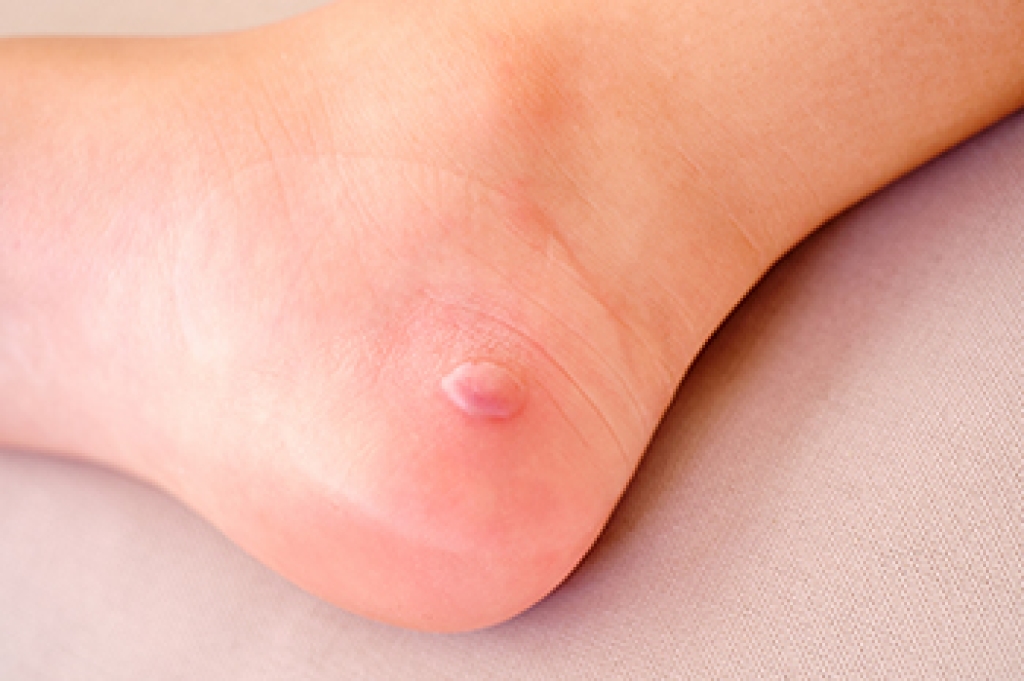
Blisters are small pockets of fluid that develop beneath the outer layer of the skin, most often because of repeated friction or pressure. They commonly appear on the heels, toes, or the ball of the foot after prolonged walking, running, or wearing shoes that rub against the skin. Although many blisters are minor, they can become painful and make everyday activities more difficult. Symptoms may include tenderness, swelling, and a clear fluid-filled bubble on the skin. In some cases, the blister may break open, increasing the risk of infection if not properly managed. Because other foot conditions can resemble blisters, a professional evaluation is important when pain is severe, symptoms persist, or signs of infection develop.


Several factors can increase the likelihood of developing foot blisters. Poorly fitting footwear, excessive moisture, and repetitive physical activity may all increase friction on the skin. Individuals with diabetes or reduced circulation may have a greater risk of complications because wounds can heal more slowly. Persistent discomfort may also change the way a person walks, placing additional stress on the foot and ankle. A comprehensive podiatry examination helps determine the cause of the blister while evaluating the surrounding skin for infection or other concerns. Early diagnosis and treatment are important to relieve discomfort and prevent more serious foot problems from developing.


A podiatrist specializes in diagnosing and treating foot blisters while protecting the overall health of the feet. Professional care focuses on relieving pain, preventing infection, and promoting proper healing based on each patient's condition. Treatment is tailored to the size, location, and severity of the blister, as well as any underlying medical conditions that may affect recovery. Regular podiatry visits can also help identify recurring problems and reduce the risk of future complications. If you have a painful foot blister, persistent symptoms, or signs of infection, it is suggested that you consult a podiatrist for an evaluation and appropriate treatment options.

Blisters may appear as a single bubble or in a cluster. They can cause a lot of pain and may be filled with pus, blood, or watery serum. If your feet are hurting, contact Dr. Dean D. Hinners of Illinois. Our doctor can provide the care you need to keep you pain-free and on your feet.

Foot Blisters

Foot blisters are often the result of friction. This happens due to the constant rubbing from shoes, which can lead to pain.

What Are Foot Blisters?

A foot blister is a small fluid-filled pocket that forms on the upper-most layer of the skin. Blisters are filled with clear fluid and can lead to blood drainage or pus if the area becomes infected.

Symptoms

(Blister symptoms may vary depending on what is causing them)

  • Bubble of skin filled with fluid
  • Redness
  • Moderate to severe pain
  • Itching

Prevention & Treatment

In order to prevent blisters, you should be sure to wear comfortable shoes with socks that cushion your feet and absorb sweat. Breaking a blister open may increase your chances of developing an infection. However, if your blister breaks, you should wash the area with soap and water immediately and then apply a bandage to the affected area. If your blisters cause severe pain it is important that you call your podiatrist right away.

If you have any questions, please feel free to contact one of our offices located in Metropolis and Eldorado, IL . We offer the newest diagnostic and treatment technologies for all your foot care needs.

Read more about Blisters

Why Gait Is Important to Foot Health

Gait is the pattern your body follows when you walk, jog, or run. A steady gait helps the feet absorb impact and move body weight forward with control. It also depends on the lower-body joints and upper body working together. When one part does not move well, another area can take on extra stress. This change can lead to foot pain, joint strain, or loss of balance. A healthy gait therefore supports comfortable movement, activity, and independence. It also lowers the chance of falls and injuries.

Changes in gait can reveal an injury or health problem. Warning signs include limping, shuffling, or taking uneven steps. A person might also drag the toes, place too much weight on one side, or have trouble pushing off the ground. Foot pain, weak muscles, and stiff joints can alter the way someone moves. Differences in leg length or foot shape can also affect balance and step length. Because these problems place pressure on other body parts, pain can spread to the ankles, knees, or hips. An altered gait can also make playing sports and completing daily tasks harder.

A podiatrist can study how the feet and lower legs move while a patient walks or runs. The examination includes checking foot position, joint movement, and areas of tenderness. The podiatrist may also measure stride length, watch how each foot meets the ground, and examine the patient’s shoes for uneven wear. Imaging can help identify a bone or joint problem noticed during the exam. Treatment is based on the cause of the gait change. A podiatrist can provide custom shoe inserts to improve foot position or recommend shoes with proper support. Bracing can improve stability in some patients. Early diagnosis can reduce harmful pressure and protect joints. If you have pain while walking or during a sports activity, it is suggested that you schedule an appointment with a podiatrist to see if a gait analysis is right for you.

If you have any concerns about your feet, contact Dr. Dean D. Hinners from Illinois. Our doctor can provide the care you need to keep you pain-free and on your feet.

Biomechanics in Podiatry

Podiatric biomechanics is a particular sector of specialty podiatry with licensed practitioners who are trained to diagnose and treat conditions affecting the foot, ankle and lower leg. Biomechanics deals with the forces that act against the body, causing an interference with the biological structures. It focuses on the movement of the ankle, the foot and the forces that interact with them.

A History of Biomechanics

  • Biomechanics dates back to the BC era in Egypt where evidence of professional foot care has been recorded.
  • In 1974, biomechanics gained a higher profile from the studies of Merton Root, who claimed that by changing or controlling the forces between the ankle and the foot, corrections or conditions could be implemented to gain strength and coordination in the area.

Modern technological improvements are based on past theories and therapeutic processes that provide a better understanding of podiatric concepts for biomechanics. Computers can provide accurate information about the forces and patterns of the feet and lower legs.

Understanding biomechanics of the feet can help improve and eliminate pain, stopping further stress to the foot.

If you have any questions please feel free to contact one of our offices located in Metropolis and Eldorado, IL . We offer the newest diagnostic and treatment technologies for all your foot and ankle needs.

Read more about The Importance of Biomechanics in Podiatry

Podiatrists Help Relieve the Pressure of Tarsal Tunnel Syndrome

Tarsal tunnel syndrome develops when a nerve becomes compressed near the inside of the ankle. This nerve travels through a narrow passage called the tarsal tunnel. It then divides into branches that serve the bottom of the foot. Pressure in this area can cause pain behind the inner ankle or along the heel, arch, and sole. Symptoms also include burning, tingling, or numbness that reaches the toes. The discomfort usually worsens while standing or walking, but it can also disrupt sleep or other daily activities.

Several problems can place pressure on the nerve. Causes include a cyst, swelling, or scar tissue within the tunnel. An ankle injury or a foot deformity can narrow the space around the nerve. Flat feet can increase strain by changing the position of the ankle and foot. Arthritis, poor vein function, and swollen ankle tendons are other possible factors. A podiatrist begins the evaluation by asking about symptoms and examining the foot. Gentle pressure or tapping below the inner ankle may produce tingling, which can help locate the irritated nerve.

A podiatrist can also assess foot structure, joint motion, and areas of swelling. Nerve tests can measure how well electrical signals travel through the affected area. Imaging can reveal a cyst or another growth that is pressing on the nerve. Treatment focuses on reducing pressure and supporting better foot alignment. A podiatrist can provide custom orthotics, apply supportive strapping, or recommend an appropriate brace. In certain cases, an injection can reduce inflammation around the nerve. When a growth causes compression or other care does not bring enough relief, surgery can create more room for the nerve. Early evaluation can help prevent continued nerve irritation and guide treatment toward the underlying cause. If you have symptoms of tarsal tunnel syndrome, it is suggested that you schedule an appointment with a podiatrist for a diagnosis and appropriate treatment.

Ankle pain can be caused by a number of problems and may be potentially serious. If you have ankle pain, consult with Dr. Dean D. Hinners from Illinois. Our doctor will assess your condition and provide you with quality foot and ankle treatment.

Ankle pain is any condition that causes pain in the ankle. Due to the fact that the ankle consists of tendons, muscles, bones, and ligaments, ankle pain can come from a number of different conditions.

Causes

The most common causes of ankle pain include:

  • Types of arthritis (rheumatoid, osteoarthritis, and gout)
  • Ankle sprains
  • Broken ankles
  • Achilles tendonitis
  • Achilles tendon rupture
  • Stress fractures
  • Bursitis
  • Tarsal tunnel syndrome
  • Plantar fasciitis

Symptoms

Symptoms of ankle injury vary based upon the condition. Pain may include general pain and discomfort, swelling, aching, redness, bruising, burning or stabbing sensations, and/or loss of sensation.

Diagnosis

Due to the wide variety of potential causes of ankle pain, podiatrists will utilize a number of different methods to properly diagnose ankle pain. This can include asking for personal and family medical histories and of any recent injuries. Further diagnosis may include sensation tests, a physical examination, and potentially x-rays or other imaging tests.

Treatment

Just as the range of causes varies widely, so do treatments. Some more common treatments are rest, ice packs, keeping pressure off the foot, orthotics and braces, medication for inflammation and pain, and surgery.

If you have any questions please feel free to contact one of our offices located in Metropolis and Eldorado, IL . We offer the newest diagnostic tools and technology to treat your foot and ankle needs.

Read more about Various Causes of Ankle Pain

Plantar Warts Can Be Treated!

Plantar warts are small growths that develop on parts of the feet that bear weight. They're typically found on the bottom of the foot. Don't live with plantar warts, and call us today!

Gout and Podiatric Care

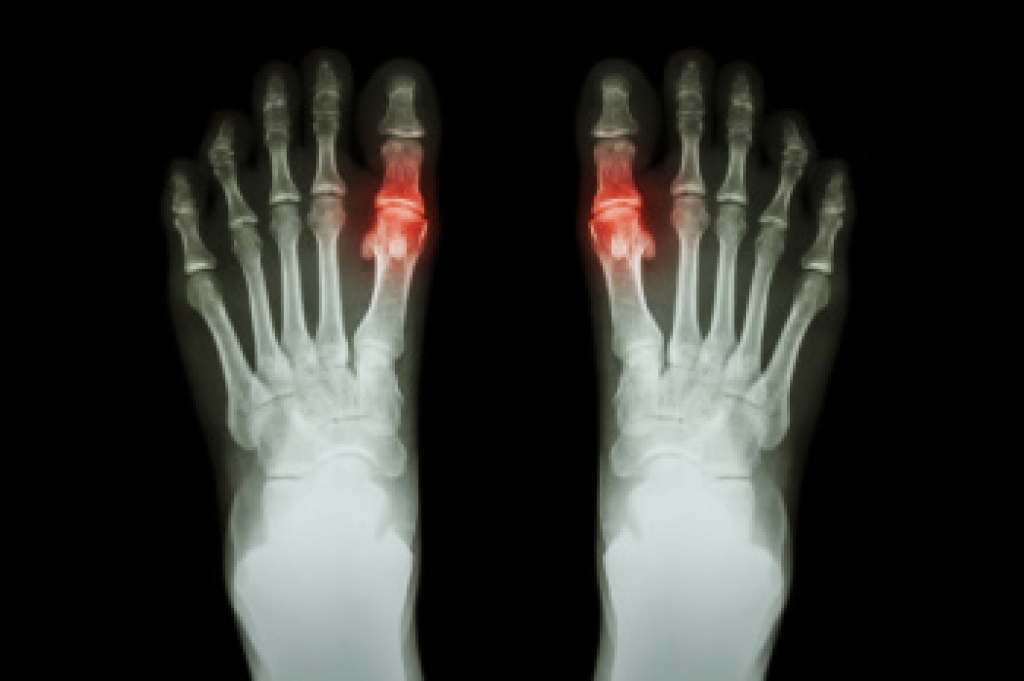
Gout is the most common type of inflammatory arthritis and often affects the foot, especially the big toe joint. It occurs when high levels of uric acid build up in the blood and form sharp crystals in the joints. These crystals trigger inflammation, leading to sudden and severe pain. The condition may develop quickly, and can return in repeated episodes if not managed properly. Understanding the definition and causes of gout is important for early recognition and treatment.

Symptoms of gout typically include intense pain in the big toe, swelling, and warmth around the joint. The pain often begins suddenly, sometimes during the night, and can be severe enough to limit movement. Some individuals may also experience stiffness or lingering discomfort after the initial attack. These symptoms can affect daily activities and may worsen, if left untreated. Early identification of these signs can help reduce the severity of flare-ups.


Risk factors for gout include high levels of uric acid in the body, which may result from diet, genetics, or certain medical conditions. Foods rich in purines, such as red meat and seafood, can increase uric acid production. Other risk factors include obesity, dehydration, and certain medications. Limited kidney function can also reduce the body ability to remove uric acid effectively. These factors contribute to crystal formation and joint inflammation over time.


Managing gout involves reducing uric acid levels and preventing future flare ups. Lifestyle changes such as maintaining a balanced diet, staying hydrated, and managing weight can help lower risk. Treatment may include medications to reduce inflammation and control uric acid levels. Monitoring symptoms and seeking professional care can improve long-term outcomes. If you have gout, it is strongly suggested that you are under the care of a podiatrist who can help you to manage this serious condition. 

Gout is a foot condition that requires certain treatment and care. If you are seeking treatment, contact Dr. Dean D. Hinners from Illinois. Our doctor will treat your foot and ankle needs.

What Is Gout?

Gout is a type of arthritis caused by a buildup of uric acid in the bloodstream. It often develops in the foot, especially the big toe area, although it can manifest in other parts of the body as well. Gout can make walking and standing very painful and is especially common in diabetics and the obese.

People typically get gout because of a poor diet. Genetic predisposition is also a factor. The children of parents who have had gout frequently have a chance of developing it themselves.

Gout can easily be identified by redness and inflammation of the big toe and the surrounding areas of the foot. Other symptoms include extreme fatigue, joint pain, and running high fevers. Sometimes corticosteroid drugs can be prescribed to treat gout, but the best way to combat this disease is to get more exercise and eat a better diet.

If you have any questions, please feel free to contact one of our offices located in Metropolis and Eldorado, IL . We offer the newest diagnostic and treatment technologies for all your foot care needs.

Read more about Everything You Need to Know About Gout